The U.S. Department of Transportation (DOT) seems semi-serious about false airfare advertising. It fined several airlines this week for violating its rules of disclosing taxes and fees, but it still tolerates the disgraceful “one way based on a required round-trip purchase” manipulation practiced by some carriers.
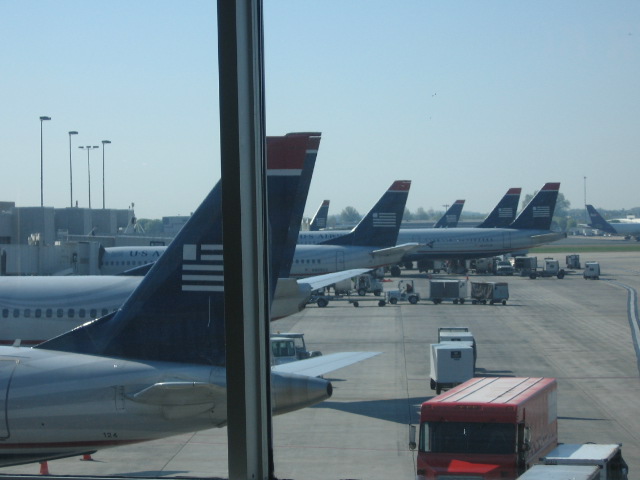
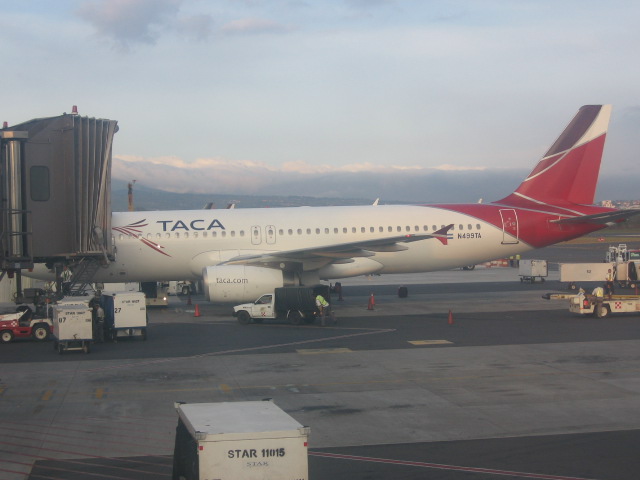
Continental Airlines was fined $120,000 for failing to include fuel surcharges in fares listed on its website. US Airways and TACA, the Central American company, must pay $45,000 and $55,000, respectively, for the same wrongdoing — indicating that fares didn’t include taxes and surcharges, but not disclosing actual amounts.
“Consumers have a right to know the full price they will be paying for airfares,” said Transportation Secretary Ray LaHood. “We established airline price advertising rules to protect the consumer, and will take enforcement action when these rules are violated.”
Starting on Oct. 24, DOT will require airlines to include all taxes, surcharges and government fees in advertised fares — not just using asterisks and fine-print explanations.
However, advertising only half of a ticket price will continue. As I’ve written before, I have nothing against listing one-way fares — when they can be truly bought as such. To this day, American Airlines, Delta, British Airways, Lufthansa and others promote only half of mandatory round-trip purchases on their websites.
In fact, Lufthansa doesn’t even bother to spell out the words, using instead “OW based on RT purchase.” The German carrier doesn’t do those gimmicks on its European sites because of strict European Union rules.
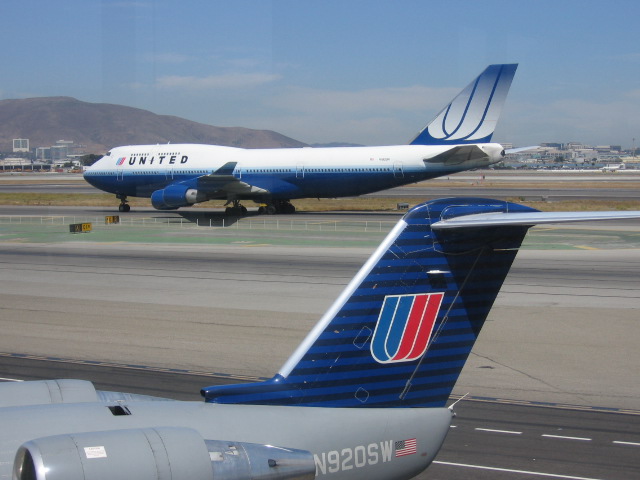
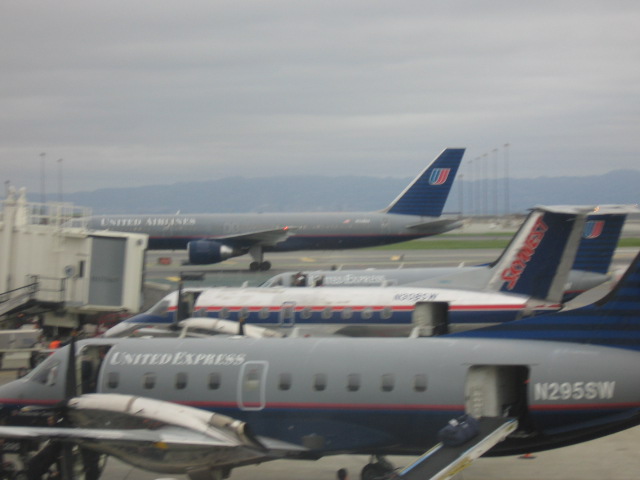
In March, I wrote that United Airlines became the first major U.S. carrier to begin advertising predominantly round-trip fares on its site. Continental has since followed suit. US Airways still uses a mixed method.
One would hope this item will be next on DOT’s agenda.
Related stories:
Proper airfare advertising comes to U.S.
Fare sales often lost in translation
When an airfare sale is not quite a sale
Airlines find new way to overcharge fliers
Continue reading about DOT cracks down on airfare advertising
Meal choices in first and business class are hardly a concern for most air travelers, who have much more basic things to worry about these days, such as never-ending extra fees. Still, premium fliers are essential for an airline’s well-being, and they have certain expectations from the product they pay for.
It’s true that many passengers end up in the front cabins — especially on domestic U.S. flights — thanks to free upgrades, but they get them because of their loyalty to the respective carrier. Of course, there are also people who pay to sit up front — as few as they may be — so those cabins deserve serious attention.
Dining in first and business class is not the luxurious experience it once was, but if you are a frequent traveler with a confirmed seat there, you probably rely on those meals to save you the time and hassle of trying to grab a bite before boarding…
If you thought complaints about a policy of your preferred airline would fall on deaf ears, last week proved you wrong. As travel companies struggle to survive the economic crisis, they are increasingly listening to their most loyal customers.
As I reported in this column, United Airlines announced last month that it soon would end advance domestic upgrades, which could be confirmed using electronic certificates top elite travelers get if they fly at least 10,000 miles per quarter.
Though United tried to mask that huge loss for its best customers with the promise of automatic “free upgrades” if space in first or business class is still available a couple of days before a flight, the outcry against the new policy was overwhelming…
If you’ve become accustomed to upgrading your domestic flights on United Airlines months in advance, the party will soon be over. The carrier is abandoning its current system of so-called confirmed upgrades in favor of the last-minute upgrades that are more popular in the U.S. industry.
United announced the change last week, although it’s not planning to implement it until spring. The current system apparently was confusing for some passengers, although I prefer to call it sophisticated and not at all difficult to master if you are a semi-frequent flier.
However, that’s not why United is making the change. Rather, in trying to maximize revenue from selling first-class seats for cash, it will keep more of those seats open until just before departure, and if it can’t sell them, it will give them to elite customers for “free,” meaning it won’t charge frequent-flier miles for the upgrades…
Continue reading about United cuts advance domestic upgrades