Politics
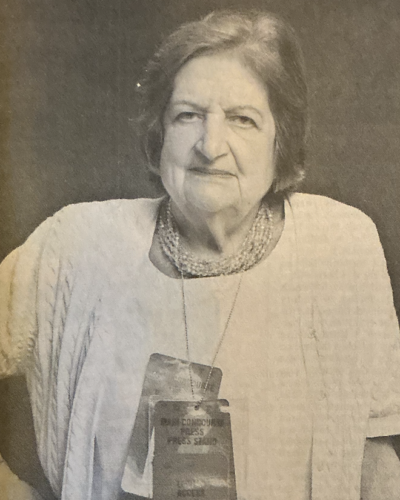
Helen Thomas hoped in vain that her 80th birthday on August 4 — a date she shares with the British Queen Mother and Yasser Arafat, the Palestinian leader — would pass unnoticed. “I don’t want anyone to know,” she said. “I don’t see why people have to be stamped by their age — that’s prejudice.”
But nothing made her angrier than the “congratulations” she received on her “retirement”, when she announced in May that she was leaving her front-row seat in the White House press room, where she had reported on eight presidents for United Press International (UPI) over four decades. She was simply changing jobs, and is now a columnist for Hearst Newspapers, the US chain that owns dozens of publications, including the Houston Chronicle and the San Francisco Examiner…
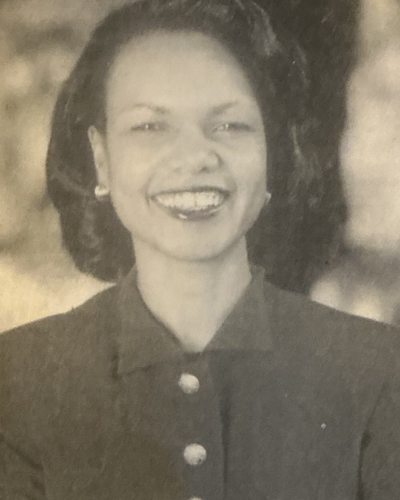
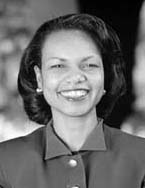
Condoleezza Rice has rarely heard a question she doesn’t know how to answer, from queries about her tumultuous childhood in segregated Alabama to her success in the male world of superpower politics, nuclear weapons and arms control.
She meets me with the friendly smile and easy hospitality of a west-coaster, defying the image of someone anointed by Washington insiders to become the most powerful woman in the world in a year. The chief foreign policy adviser to Republican presidential candidate George W. Bush, Rice is being tipped as a likely secretary of state or national security adviser should Bush win the White House.
As huge a task as this sounds, Rice’s own life story has the word “amazing” written all over it. At 45, she has been the first black woman in just about any job she’s taken on: from special assistant for national security affairs to President George Bush when she was only 34, to provost of California’s prestigious Stanford University (the Harvard of the west coast) where she managed a budget of nearly $2bn…
Continue reading about Political punch in a package of charm
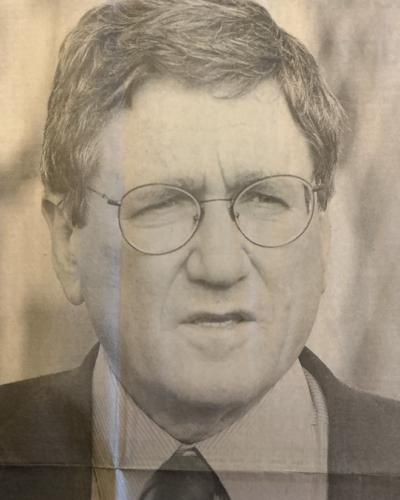
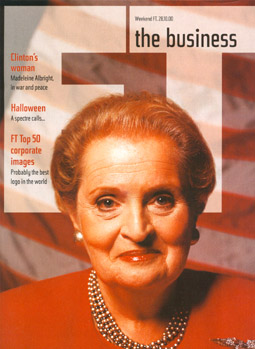
Richard Holbrooke is about to make yet another exit from the US foreign policy stage — the fourth in his 38-year career. Many of the people who know him well, though, are already predicting a stormy comeback.
This is the second time he has come within a whisker of the job that many in Washington say he’s been pursuing for years: secretary of state. In 1996, a year after he brokered the Dayton agreements that ended the war in Bosnia, he lost out to Madeleine Albright — the first woman to hold the top diplomatic post.
This time it was the slimmest of election wins by Republican George W. Bush that decided Holbrooke’s fate. Although the Democratic candidate, Al Gore, was careful during the campaign not to reveal his potential cabinet choices, foreign policy insiders were betting that Holbrooke, at present US ambassador to the United Nations, would most likely have been his choice to succeed Albright…
Continue reading about So busy at diplomacy, he ‘ignored’ the US election
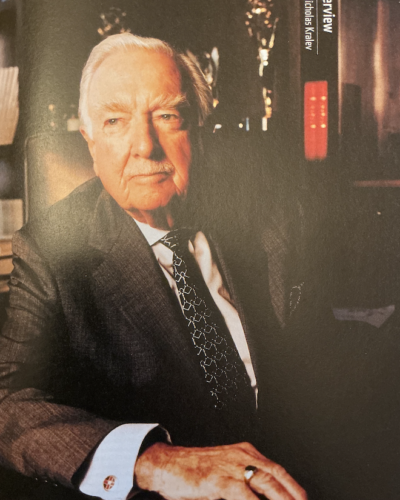
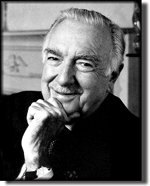
Delayed by a raging New York storm, Walter Cronkite deftly opens the door of his spacious office at the CBS Black Rock television headquarters. “Good morning!” he cheerfully greets his small staff, then adds, matter-of-factly, “But I enjoy saying ‘Good evening’ much more.”
For 19 years, this statesman of the airwaves brought the world into the living rooms of millions of Americans. And, though he stepped down from the “CBS Evening News” in 1981, he remains “the most trusted man” in the US, one whom many fellow journalists call the “original anchorman”.
At 83, the silver-haired legend has allowed little of his imposing figure to succumb to ageing, and his gravelly voice still rings with authority. His schedule is as busy as ever, full of speaking engagements, interviews, high-profile events and journeys across the US and around the world. Television still occupies much of his time — albeit as a viewer — but he’s not impressed with what he sees today on America’s evening news…