American carriers can relax — their freedom to fly anywhere in the European Union is no longer threatened by Washington’s refusal to allow foreign control of U.S. airlines. That was the biggest news from last week’s agreement to expand the 2007 U.S.-EU Open Skies accord.

When the deal was first negotiated, carriers from both sides of the Atlantic were permitted to fly between any two cities without the previous government restrictions. However, those rights could have been lost next year, unless European companies could own controlling shares in U.S. airlines. Although that hasn’t happened, the EU agreed on Thursday to extend Open Skies indefinitely.

“It’s a big win for us,” said John R. Byerly, the top U.S. negotiator and deputy assistant secretary of state for transportation affairs. “There was a cloud hanging over the stability in the trans-Atlantic market, and now it’s gone. It was not an easy agreement. It took us eight rounds, beginning in the late spring of 2008″…

Continue reading about U.S. has ‘no desire’ to ease airline ownership rules

nkralev on March 18th, 2010

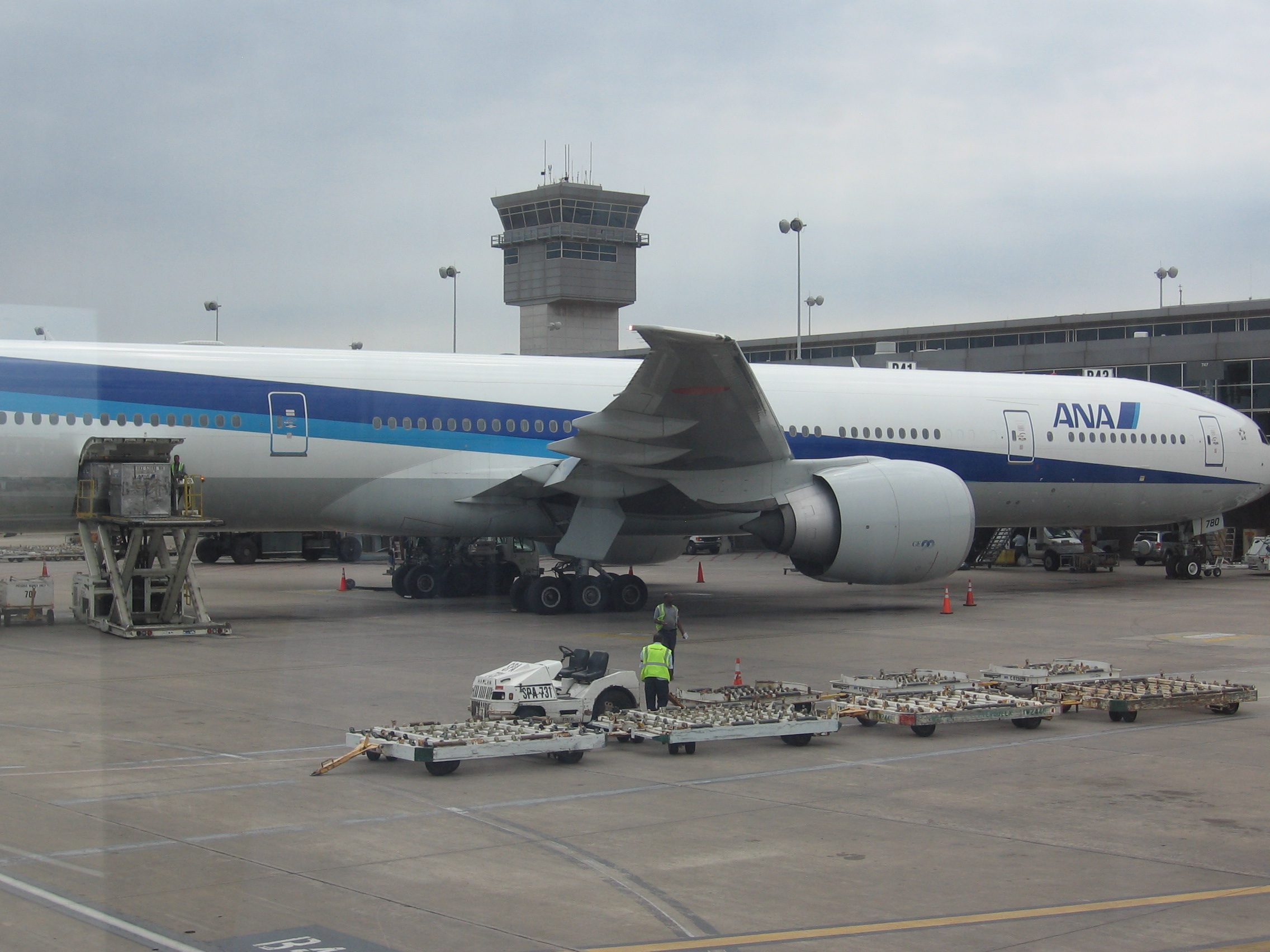
Having covered American diplomacy for a decade now, I’ve received many “diplomatic” answers to my questions — but none more so than “Yes, but not really.” I was reminded of it by the recently negotiated Open Skies aviation agreement between the United States and Japan.

The idea of the Open Skies accords, which Washington has with more than 90 countries, was to liberalize air travel between the signatories, allowing flights from any city in the first country to any city in the second without the previously imposed government restrictions.

However, the deal reached with Japan in December has one glaring exception — U.S. carriers can have only four pairs of takeoff and landing slots at Tokyo’s Haneda Airport, and only between 10 p.m. and 7 a.m. Even though the document hasn’t been signed yet, there are no plans to change the Haneda limits…

Continue reading about When ‘open skies’ aren’t really open

nkralev on March 10th, 2010

It’s no secret that times are rough for the airline industry, and the glamor once associated with it is long gone. Many children, however, still dream of a life in the sky. Should they be encouraged?

The answer of Cathay Pacific Airways, Hong Kong’s main airline, is a resounding yes. In 2003, it started a program for high school students called “I Can Fly,” which teaches young aviation enthusiasts the basics of the industry at no cost — from piloting and engineering to marketing and customer service.

About 3,000 students have graduated from the three programs in Hong Kong so far, said Elsa Leung, Cathay’s corporate communication manager. Pilots, flight attendants and other airline and airport staff share their knowledge and experience during lectures, field trips and hands-on exercises…

Continue reading about Aviation meets community service