nkralev on May 7th, 2010

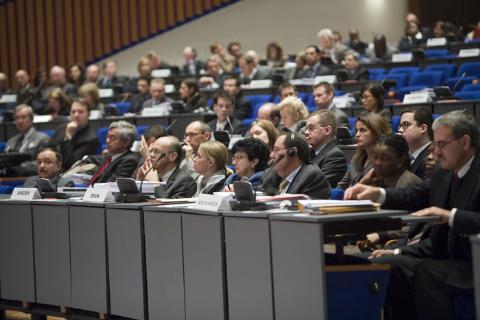
A pushback from the military and a skeptical secretary of defense have dashed the hopes of some Obama administration officials for closer cooperation with a global war-crimes tribunal that some fear could prosecute American service members, current and former U.S. officials say.

Although the United States has rejoined the meetings of the International Criminal Court (ICC) member states after an eight-year absence, it has taken little new action to work more closely with the court.

In fact, many international legal analysts argue that there was a more significant change in U.S. policy toward the ICC from the first to the second term of President George W. Bush than there has been since President Obama took office last year…

Continue reading about Obama keeps distance from tribunal

nkralev on April 21st, 2010

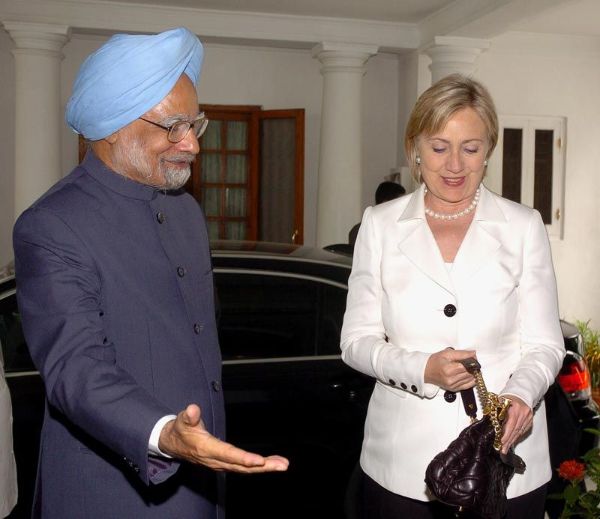
The United States has made new concessions as part of its civilian nuclear agreement with India, further angering arms control advocates, while New Delhi has yet to make it possible for U.S. companies to benefit from the unprecedented deal.

In the most recent accord completed late last month, Washington agreed to Indian demands to increase the number of plants allowed to reprocess U.S.-supplied nuclear fuel from one to two, with the option of another two if India’s needs grow in the future.

At the same time, India thus far has failed to pass legislation that would release U.S. companies from liability in case of accidents related to equipment they have provided for two reactors expected to be built under the 2007 U.S.-Indian Nuclear Cooperation Agreement. That effectively prevents those firms from starting businesses in the South Asian country…

Continue reading about U.S. offers India new nuke concessions

nkralev on April 14th, 2010

The Obama administration is shifting the focus of U.S. public diplomacy efforts to play down the past emphasis on countering violent extremism in order to avoid offending foreign audiences opposed to terrorism.

Judith A. McHale, undersecretary of state for public diplomacy, said in an interview with The Washington Times that “a very narrow segment” of the world’s population is at risk of turning to extremism, and the policies adopted by the Bush administration should be broadened.

“Looking back, there was such a focus on countering violent extremism that everything got swept into the same category or the same bucket,” Ms. McHale said. “So if you were teaching English in many countries around the world, it was described as part of our [counter-extremism] effort, whether or not the individuals you were teaching were ever at risk of becoming violent extremists”…

Continue reading about U.S. downplays extremism in foreign outreach

nkralev on April 14th, 2010

Nicholas Kralev talks to Judith A. McHale, undersecretary of state for public diplomacy, about the Obama administration’s outreach to foreign publics and what it’s doing differently from the Bush administration.

Continue reading about McHale on Obama’s public diplomacy

nkralev on March 10th, 2010

Have you ever wondered what it’s like traveling with the secretary of state around the world? Although I’ve been doing it for more than eight years, I’ve resisted frequent suggestions by friends and colleagues to write about it.

Now I’ve found an excuse. There is a new secretary — Hillary Rodham Clinton no less — and she has just completed her first overseas trip since taking office. So it’s time to step back from what has become a routine for us in the press corps and try to look at it through a fresh pair of eyes.

The State Department usually gives us 13 seats on the secretary’s plane, but this time we got three more, to accommodate the bigger interest in Mrs. Clinton’s maiden voyage to Asia…

Continue reading about In air with Clinton on first trip abroad