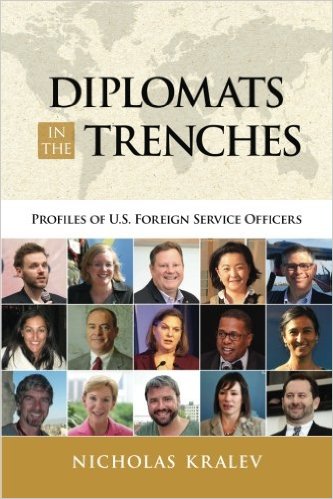
Diplomats in the Trenches: Profiles of U.S. Foreign Service Officers
 Most Americans, like ordinary people everywhere, don’t relate to diplomacy — to the extent they think about it at all, they view it as something that happens in a stratosphere of officialdom, far out of their reach. They also believe that it has little to do with their lives.
I reached this conclusion after more than a decade of research focused on the practice, impact and perceptions of diplomacy in the 21st century, conducted in dozens of countries. My second conclusion, having to do with reality, is markedly different from the first, which is about perception. Despite the oddity and impracticality of the diplomatic protocol, etiquette and grandstanding, the substance of diplomacy does have a direct impact on the lives of real people.
By “real people” I mean all of us, as we go about our business and deal with normal everyday things, hoping for the safety and well-being that can help us lead a decent life and fulfill our potential.
We live in a globalized and interconnected world, and whether we realize it or not, we are affected by events, forces, trends and people far beyond our national borders. What happens in other countries, and how our diplomats deal with it, has an impact on our security, prosperity, health, privacy, ability to travel and much more…
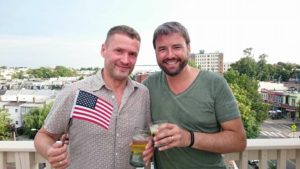 Ken Kero was working in the political section of the U.S. Embassy in Berlin in 2006, when he met a German film editor and photographer named David Mentz. Two years later, they got married and changed both their last names to Kero-Mentz.
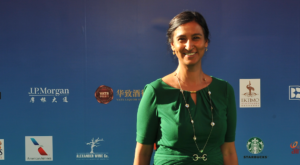 Sumreen Mirza’s path to the Foreign Service began in her parents’ homeland, Pakistan. She was an intern at an NGO in the southern port city of Karachi in 2002, when the U.S. Consulate there was attacked in a massive explosion that killed 15 Pakistanis.
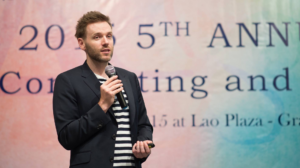 Matthew Ference belongs to a select group of American diplomats who passed the Foreign Service entrance exams on their first try. He attributes it to being relaxed and trying not to care too much.
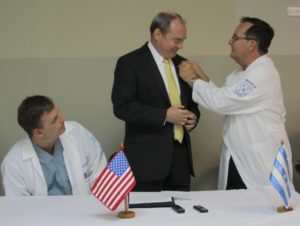 Working saved David Lindwall’s life — literally. He was deputy chief of mission at the U.S. Embassy in Haiti in January 2010, when a catastrophic earthquake flattened his house. He felt very lucky to be in the quake-resistant embassy building when the earth shook.
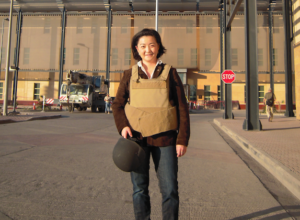 Yuri Kim never thought this would happen. It was a cold February day in 2008, and she was sitting in North Korea’s largest concert hall, listening to a performance by the New York Philharmonic — not far from where she was born in South Korea.
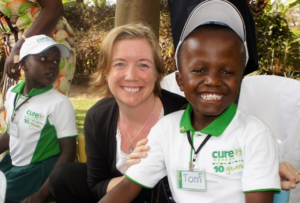 Virginia Blaser, a newly minted American diplomat, was the duty officer at the U.S. Embassy in Madrid one weekend in 1993 when a call came in from two Midwest teachers who had brought a group of teenage students to Spain on their first trip abroad.