Hawaiian Airlines
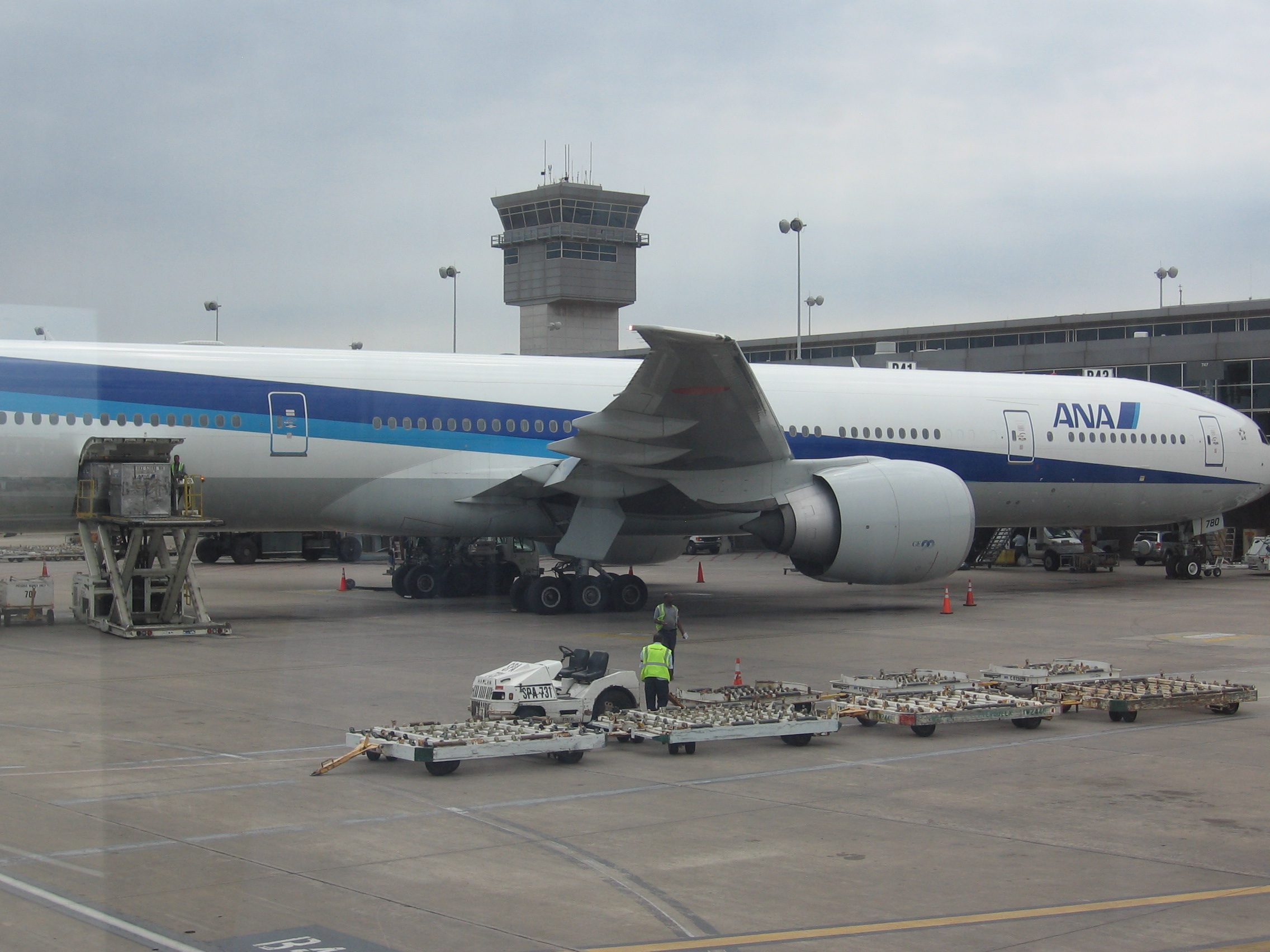
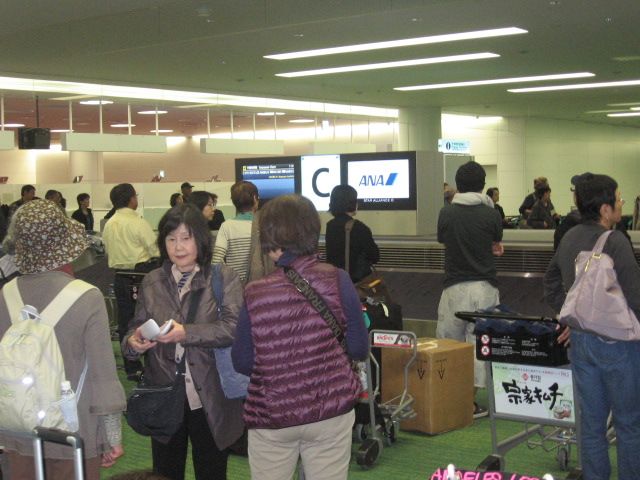
When I landed at Tokyo’s Haneda Airport today, I had one of my easiest, fastest and smoothest international arrival experiences. But I wondered where all those airlines that last year fought and won a fierce battle over the right to fly to Haneda actually were.
It appears the industry overestimated Haneda’s appeal to travelers, and it also might have miscalculated how many passengers remain in Tokyo, as opposed to those who connect to other destinations.
It’s true that the March earthquake and tsunami had a negative impact on travel to Japan in general, but traffic to and from the much bigger Narita Airport has largely recovered.
Haneda’s smaller size and proximity to central Tokyo provide a significant advantage. However, as I first wrote two years ago, most medium- and long-haul flights arrive and depart between 10 p.m. and 7 a.m. — not exactly the most preferred time by the majority of travelers. In addition, onward flight connections from Haneda are extremely limited.
That didn’t seem to bother most airlines last year, when the rights to fly from various foreign cities to Haneda were being awarded by the Japanese and other governments. U.S. carriers in particular made rather bold proposals. In the end, the Department of Transportation gave American Airlines the right to fly from New York, Delta from Detroit and Los Angeles, and Hawaiian Airlines from Honolulu.
American’s flights are nowhere to be found in its winder schedule, though they are planned for next summer. The same goes for Delta’s Detroit flights. It does operate the LA flight throughout the year, as does Hawaiian on the Honolulu route. Air Canada has postponed indefinitely its plan for flights from Vancouver, even though it started selling tickets late last year.
The Japanese carriers have trimmed their plans, too. All Nippon Airways has kept only LA in North America, while Japan Airlines serves San Francisco. European and other long-haul routes are also very few.
British Airways is the only foreign carrier outside Asia and the United States that currently flies to Haneda — and not every day. The Asian carriers include Air China, Asiana, Cathay Pacific, China Airlines, AirAsia, China Eastern, Eva Airways, Korean Air, Malaysia Airlines, Shanghai Airlines, Singapore Airlines and Thai Airways.
Flights loads to and from Haneda are not what those carriers expected — my Singapore Airlines flight was less than half-full in Economy and about two-thirds full in Business Class, where I had two lie-flat seats to myself, though even one would have been just fine.
Related stories:
When ‘open skies’ aren’t really open
U.S. flights likely to Tokyo Haneda
Continue reading about Carriers lose appetite for Tokyo Haneda
Having covered American diplomacy for a decade now, I’ve received many “diplomatic” answers to my questions — but none more so than “Yes, but not really.” I was reminded of it by the recently negotiated Open Skies aviation agreement between the United States and Japan.
The idea of the Open Skies accords, which Washington has with more than 90 countries, was to liberalize air travel between the signatories, allowing flights from any city in the first country to any city in the second without the previously imposed government restrictions.
However, the deal reached with Japan in December has one glaring exception — U.S. carriers can have only four pairs of takeoff and landing slots at Tokyo’s Haneda Airport, and only between 10 p.m. and 7 a.m. Even though the document hasn’t been signed yet, there are no plans to change the Haneda limits…
Here is some good news for those of you seeking an alternative to Tokyo’s vast and faraway Narita International Airport: The Japanese government will likely soon allow nonstop flights between the United States and the city’s much smaller and nearby Haneda Airport.
There is, of course, some not-so-good news. Unless U.S. negotiators manage to pull a rabbit out of a hat, those flights will arrive and depart only between 10 p.m. and 7 a.m. — which means that takeoffs and landings at U.S. airports may have to occur in the middle of the night, too.
Access to Haneda is one of the issues being discussed between the United States and Japan as part of ongoing negotiations of an Open Skies Agreement. Washington has similar accords on liberalizing air travel with more than 90 countries, said John R. Byerly, deputy assistant secretary of state for transportation affairs, who oversees those negotiations…