nkralev on November 14th, 2011

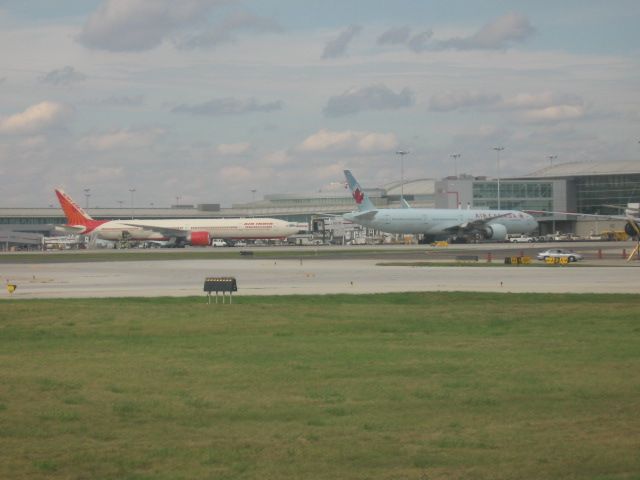
The Indian government is engaging in apparent blackmail of the Star Alliance, following the global airline group’s rejection of Air India’s membership application. New Delhi’s threat to take away traffic rights from Star members is about to test the diplomatic skills of both the affected carriers and the alliance leadership.

As I wrote in August, Star really, really wanted to add Air India to its network, because of the large and fast-growing Indian market. It spent more time, effort and money on helping Air India meet the membership requirements than it has with any other candidate. At the end, however, Air India’s entrenched corporate culture and internal Indian politics became unbearable, and the alliance gave up.

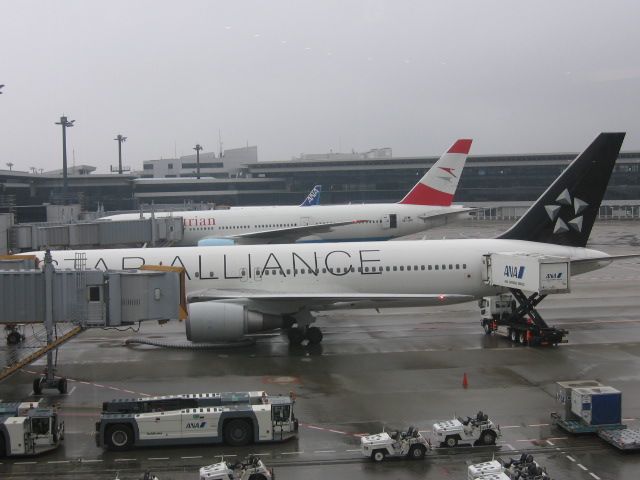
New Delhi wasted no time devising retaliation. Within weeks of Air India’s rejection, the government informed Austrian Airlines and Swiss International Airlines that their traffic rights are in danger, as reported extensively in the Indian press. The official reason was the two carriers’ ownership, in which Germany’s Lufthansa has controlling stakes.

That, of course, has been the case for years, and no one believed this was the real reason for India’s threat. It made another move, refusing to grant landing rights in New Delhi to Lufthansa’s Airbus 380. This time, Indian officials didn’t even try to hide the linkage to Air India’s failed Star application, accusing Lufthansa of sabotaging the Indian bid.

A couple of weeks later, reports appeared in Indian newspapers that Star and Air India had resumed negotiations. That sort of made sense, given India’s multiple threats, but the only sources in those stories were Indian officials — confirmation from Star was suspiciously missing.

So I did a little digging, and it turns out Air India has had no official contacts with the alliance since talks broke down in the summer. There may have been unofficial contacts, but a resumption of negotiations doesn’t happen unofficially.

It’s high time the Indians rethought their priorities and tactics. Blackmail is not the best strategy to earn international respect and recognition for your national carrier.

In the very first column I wrote about Star in 2008, I argued that leading an airline alliance is essentially practicing international diplomacy. The main subject in that piece, then-Star CEO Jaan Albrecht, recently became CEO of Austrian Airlines, so one of his first orders of business was dealing with India again. As if he didn’t have enough of that in the last four years.

RETURN TO MAIN COLUMN PAGE

Related stories:

AirIndia had no chance with Star Alliance

Is India going too far in curbing airfares?

UAE mixes aviation and foreign policy

Continue reading about India tries to blackmail Star Alliance

nkralev on May 24th, 2010

Trying to figure out how airlines determine fares is utterly futile, but that doesn’t necessarily dampen my curiosity. On a recent visit to the Star Alliance headquarters in Frankfurt, I sought insights into how the global group sets its popular round-the-world fares.

I always enjoy dropping by the alliance’s modest office — not only because it’s an easy walk from the airport terminal, but also because just about everything it does is unique and pioneering in the industry. With 27 member-carriers, one would think it’s a grand operation, so I was surprised that fewer than 80 people work there.

As regular readers of this column have no doubt noticed, I’m a fan of airline alliances. Skeptics often point out the potential negative impact on competition and fares, but government regulators have designed mechanisms to maintain fair practices. Obviously, airlines have formed groups like Star, Oneworld and SkyTeam to boost their business, but, as I’ve written before, what is good for a company doesn’t necessarily have to be bad for customers… MORE

Continue reading about Round-the-world fare mysteries revealed