nkralev on April 29th, 2010

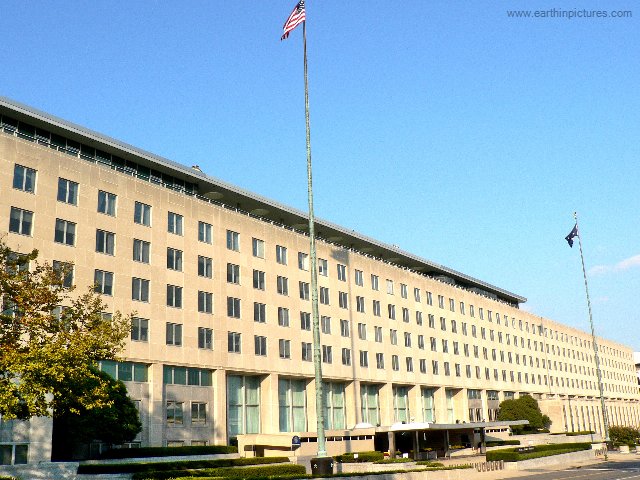
A dispute over the State Department budget has pitted the chairman of the Senate Budget Committee, Sen. Kent Conrad of North Dakota, against a fellow Democrat and head of the Foreign Relations Committee, Sen. John F. Kerry of Massachusetts, and the Obama administration.

Mr. Conrad led an effort to slash President Obama’s $58 billion international affairs request for 2011 by $4 billion, a cut his committee approved last week. Despite protests from Secretary of State Hillary Rodham Clinton and all her living predecessors, the senator stood his ground on Wednesday.

“The fact is that international funding has grown significantly in recent years,” he said. “Budgets are about setting priorities. Our budget provides a responsible and balanced approach”…

Continue reading about Cuts to State Dept. budget ignite interparty row

nkralev on March 16th, 2010

Secretary of State Hillary Rodham Clinton issued an order Thursday granting diplomatic passports, access to medical care and U.S. government jobs overseas to same-sex partners of U.S. diplomats.

The State Department released a statement by Mrs. Clinton, who worked from home after a bad fall late Wednesday in which she fractured an elbow. She is expected to have surgery within days, spokesman P.J. Crowley said.

Thursday’s order marks a significant change in policy, and officials said it goes into effect immediately. The State Department will now cover the moving expenses of domestic partners of gay Foreign Service members on their way to a new assignment, as well as the cost of any emergency evacuation…

Continue reading about Gay diplomats get key benefits

nkralev on March 10th, 2010

BEIJING — So much for the “diplo-speak” U.S. officials usually offer on trips abroad.

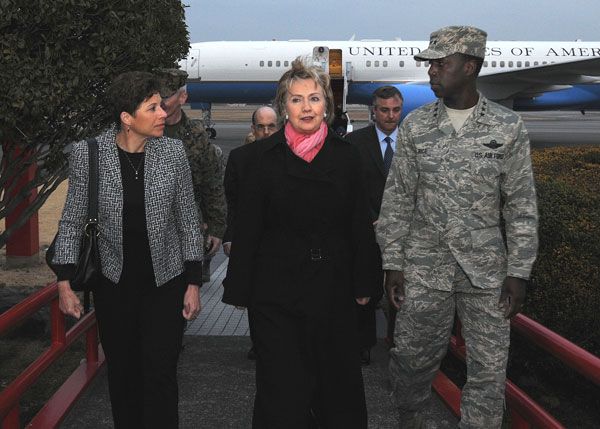
Newly minted Secretary of State Hillary Rodham Clinton showed last week that she will not be constrained by diplomatic protocol or follow an official script and, so far, she seems to have the stature and celebrity to pull it off.

As she returns home Sunday from her first overseas trip since taking office, Mrs. Clinton leaves behind thousands of Asians thrilled to have met one of the world’s most famous and powerful women. At the same time, awaiting her in Washington are puzzled analysts, angry human rights activists and career diplomats not quite sure what to make of some of her comments…

Continue reading about Candid Clinton off script overseas

nkralev on March 10th, 2010

Flying more than 22,000 miles in a week filled with dozens of official meetings, public events and media interviews didn’t seem to have taken a toll on Secretary of State Hillary Rodham Clinton during her much-publicized trip to Asia. How does she do it?

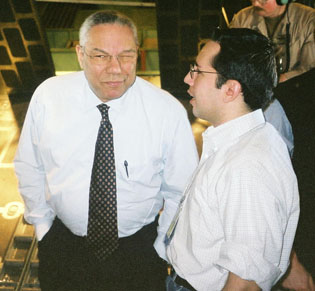
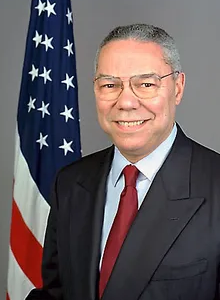
I’ve been asked the same question about three of Mrs. Clinton’s predecessors I’ve traveled with — Condoleezza Rice, Colin L. Powell and Madeleine K. Albright. My answer is always the same, but it’s not the queen-size pullout sofa in their plane’s private cabin, though having a real bed in the air certainly helps.

It’s what Mrs. Albright’s former chief of staff, Elaine Shocas, used to call the “fire in the belly”…

Continue reading about Clinton weathers job’s long flights

nkralev on March 3rd, 2010

It was well past the official close of business at NATO headquarters in Brussels on September 11, 2001, but the chamber of the North Atlantic Council, the alliance’s political decision-making body, was anything but dark and quiet.

Hours after the terrorist attacks in New York and suburban Washington, Secretary-General George Robertson had gathered the ambassadors from all 19 member states to discuss how the events that were still unfolding live on television affected the organization and what NATO might do in the immediate aftermath.

“After the meeting, the Canadian ambassador, David Wright, took me aside to ask if Article 5 should be considered,” Nicholas Burns, the U.S. ambassador, recalled last week, referring to a clause in the 1949 Washington Treaty that created the alliance that says an attack on one member is an attack on all…

Continue reading about Diplomacy adapts to new threats