U.S. offers India new nuke concessions
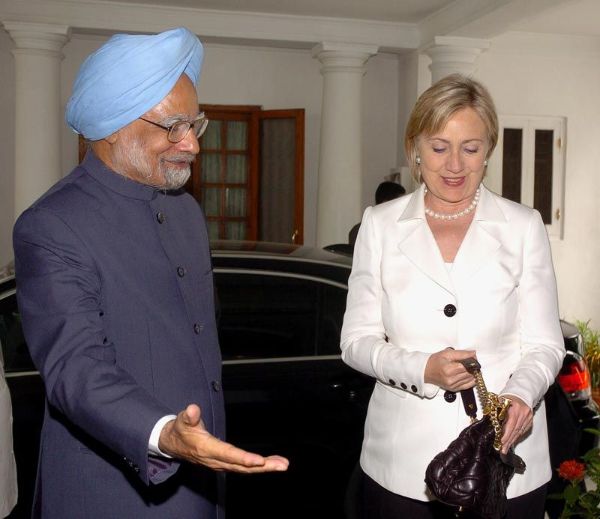 The United States has made new concessions as part of its civilian nuclear agreement with India, further angering arms control advocates, while New Delhi has yet to make it possible for U.S. companies to benefit from the unprecedented deal.
In the most recent accord completed late last month, Washington agreed to Indian demands to increase the number of plants allowed to reprocess U.S.-supplied nuclear fuel from one to two, with the option of another two if India’s needs grow in the future. At the same time, India thus far has failed to pass legislation that would release U.S. companies from liability in case of accidents related to equipment they have provided for two reactors expected to be built under the 2007 U.S.-Indian Nuclear Cooperation Agreement.