So busy at diplomacy, he ‘ignored’ the US election
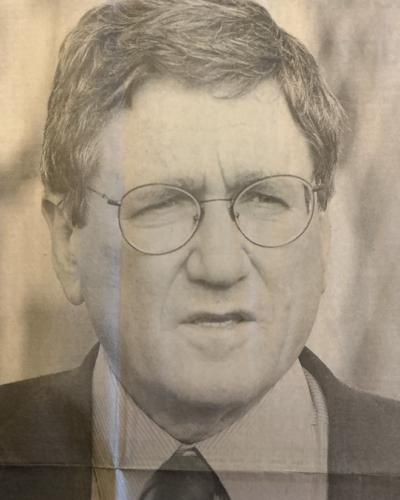
 Richard Holbrooke is about to make yet another exit from the US foreign policy stage — the fourth in his 38-year career. Many of the people who know him well, though, are already predicting a stormy comeback.
This is the second time he has come within a whisker of the job that many in Washington say he’s been pursuing for years: secretary of state. In 1996, a year after he brokered the Dayton agreements that ended the war in Bosnia, he lost out to Madeleine Albright — the first woman to hold the top diplomatic post.
This time it was the slimmest of election wins by Republican George W. Bush that decided Holbrooke’s fate. Although the Democratic candidate, Al Gore, was careful during the campaign not to reveal his potential cabinet choices, foreign policy insiders were betting that Holbrooke, at present US ambassador to the United Nations, would most likely have been his choice to succeed Albright…