nkralev on November 2nd, 2011

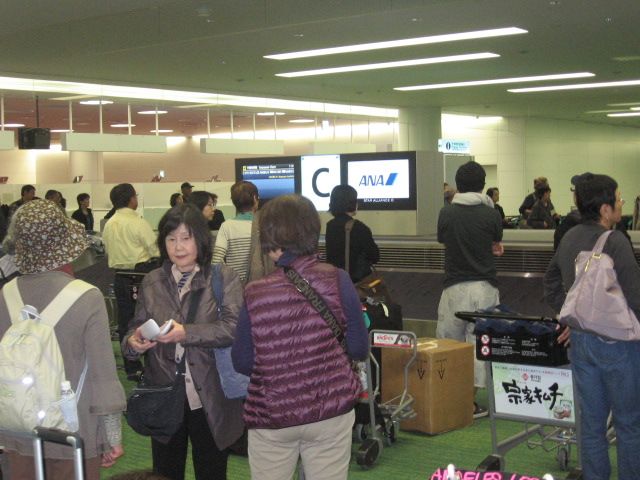
When I landed at Tokyo’s Haneda Airport today, I had one of my easiest, fastest and smoothest international arrival experiences. But I wondered where all those airlines that last year fought and won a fierce battle over the right to fly to Haneda actually were.

It appears the industry overestimated Haneda’s appeal to travelers, and it also might have miscalculated how many passengers remain in Tokyo, as opposed to those who connect to other destinations.

It’s true that the March earthquake and tsunami had a negative impact on travel to Japan in general, but traffic to and from the much bigger Narita Airport has largely recovered.

Haneda’s smaller size and proximity to central Tokyo provide a significant advantage. However, as I first wrote two years ago, most medium- and long-haul flights arrive and depart between 10 p.m. and 7 a.m. — not exactly the most preferred time by the majority of travelers. In addition, onward flight connections from Haneda are extremely limited.

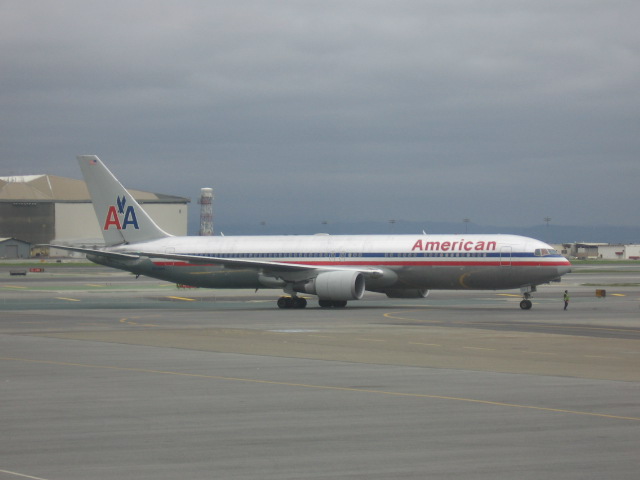
That didn’t seem to bother most airlines last year, when the rights to fly from various foreign cities to Haneda were being awarded by the Japanese and other governments. U.S. carriers in particular made rather bold proposals. In the end, the Department of Transportation gave American Airlines the right to fly from New York, Delta from Detroit and Los Angeles, and Hawaiian Airlines from Honolulu.

American’s flights are nowhere to be found in its winder schedule, though they are planned for next summer. The same goes for Delta’s Detroit flights. It does operate the LA flight throughout the year, as does Hawaiian on the Honolulu route. Air Canada has postponed indefinitely its plan for flights from Vancouver, even though it started selling tickets late last year.

The Japanese carriers have trimmed their plans, too. All Nippon Airways has kept only LA in North America, while Japan Airlines serves San Francisco. European and other long-haul routes are also very few.

British Airways is the only foreign carrier outside Asia and the United States that currently flies to Haneda — and not every day. The Asian carriers include Air China, Asiana, Cathay Pacific, China Airlines, AirAsia, China Eastern, Eva Airways, Korean Air, Malaysia Airlines, Shanghai Airlines, Singapore Airlines and Thai Airways.

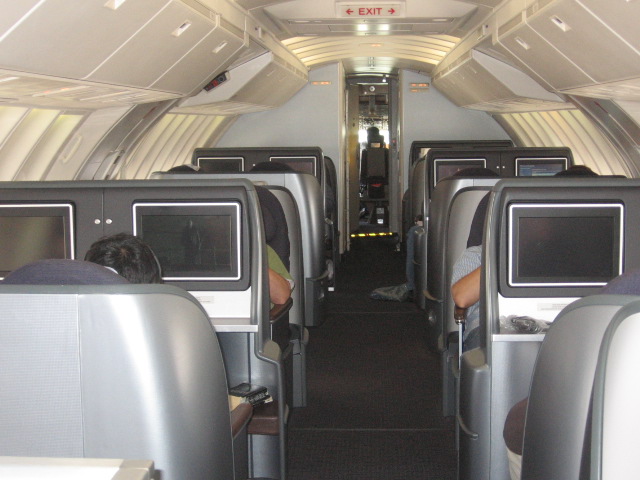
Flights loads to and from Haneda are not what those carriers expected — my Singapore Airlines flight was less than half-full in Economy and about two-thirds full in Business Class, where I had two lie-flat seats to myself, though even one would have been just fine.

RETURN TO MAIN COLUMN PAGE

Related stories:

When ‘open skies’ aren’t really open

U.S. flights likely to Tokyo Haneda

Continue reading about Carriers lose appetite for Tokyo Haneda

nkralev on October 14th, 2010

Should the new United Airlines have international first class, like the old United, or not, like the old Continental Airlines? Most frequent fliers expect a decision in favor of one of the two models, but why not go with a mixed model? Why not keep first class on routes where it makes business sense, and fly two-cabin planes where it doesn’t?

Since the two carriers’ merger was announced in May, there have been many opinions in online travel forums advocating just coach and business class, but it’s hard to see the world’s largest airline without long-haul first class at all. Continental may call its premium cabin BusinessFirst, but it’s business class.

In addition, United has already installed new first- and business class seats on more than half of its wide-body fleet, and it makes little sense to now remove first class and expand business class.

Regardless of the mechanics, there are routes that can sustain first class and actually make money, especially now that business travel has recovered from the slump during the global recession. Wouldn’t it be a luxury for United to pick and choose the routes on which it operates three-cabin planes and even change them seasonally?

Many foreign airlines have flown both two- and three-cabin aircraft on long-haul international routes for years, including United partners in the global Star Alliance, such as Lufthansa, Thai Airways and Asiana Airlines. In fact, Asiana currently flies one two-cabin and one three-cabin plane daily between Seoul and Los Angeles. In the Oneworld alliance, British Airways, Cathay Pacific and Qantas use a mixed model.

If you look at the loads in both first and business class on all those carriers, you will discover that they are selling extremely well — many flights in the next few weeks are actually sold out. As I reported last year, the recession forced some airlines to cut back on first-class service temporarily, but things now are very different.

So let’s not count United’s first class out quite yet.

RETURN TO MAIN COLUMN PAGE

Related stories:

Why new United should have domestic business — not first — class

New Lufthansa business class in a year

United, Continental execs at odds over loyalty program

Flying new United route — rare occurrence

What to do with empty premium seats?

Airlines cut back on first-class service

Continue reading about Keeping United international first class

nkralev on August 6th, 2010

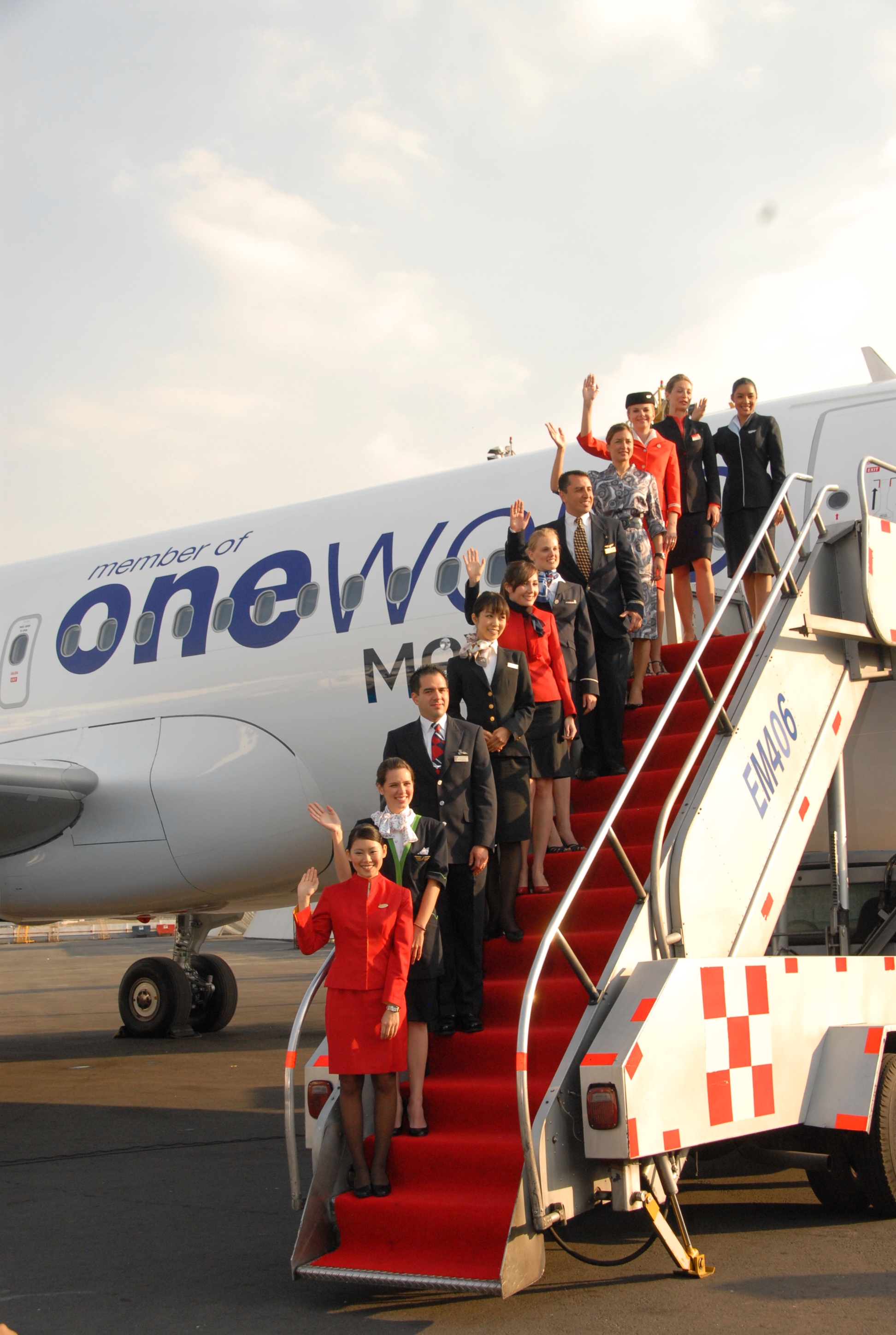
Global airline alliances are a relatively new concept, and the three existing ones have naturally had to create their own rules. This week’s Mexicana Airlines decision to suspend ticket sales raised serious questions about Oneworld rules and requirements.

Why did the alliance insist publicly that all was fine at Mexicana just a day before the announcement? Did the carrier fail to give Oneworld a proper warning?

On Tuesday, Mexicana filed for insolvency proceedings in Mexico and bankruptcy protection in the United States. That same day, Oneworld spokesman Michael Blunt issued a press release, assuring travelers that the Mexicana’s position in the alliance was “unaffected” by the developments.

“Mexicana has stressed that it will continue to operate normally, in line with Mexican legislation covering such restructurings. Its schedule is being maintained — though with some network and frequency changes — and it continues to take bookings and offer its full range of services. So the airline continues to offer full Oneworld services and benefits, and tickets for flights on Mexicana and its frequent-flier arrangements are unaffected,” Blunt said.

That statement reminded me of the Star Alliance’s expression of support for United Airlines when it filed for Chapter 11 bankruptcy protection in 2002. But as it turned out, things with Mexicana were very different.

Late Wednesday, Mexicana stopped selling tickets. In a new press release, Oneworld called it a “temporary suspension,” adding that, “during this time, Mexicana will continue to operate most of its previously scheduled international flights as normal, but further bookings will not be accepted.”

The logical question is, How long can the airline continue to operate flights for which it accepts no bookings? More importantly, was Oneworld blindsided by the sales suspension or did it mislead customers in its first statement? Did Mexicana bother to tell the alliance what was coming up? Was it even required to do so by Oneworld rules?

Blunt didn’t respond to an e-mail I sent him yesterday with those questions.

Mexicana is Oneworld’s 11th and newest member, having joined in November 2009. Among the alliance’s other members are American Airlines, British Airways, Cathay Pacific and Qantas Airways. Mexicana was part of the Star Alliance from 2000 until 2004. Interestingly, Star’s CEO, Jaan Albrecht, is a former Mexicana pilot.

RETURN TO MAIN COLUMN PAGE

Related stories:

Round-the-world fare mysteries revealed

Round-the-world fares rise — still a deal

When ‘open skies’ aren’t really open

Continue reading about Mexicana embarrasses Oneworld alliance

nkralev on March 10th, 2010

Have you flown in business or first class lately? How many empty seats did you count? With so-called premium traffic falling faster that airlines can cut capacity, what should they do with the growing number of unsold seats?

Should they drastically lower the high prices they charge for them? Should they open up more seats for mileage redemption? Or should they offer free upgrades to their most loyal customers?

First and business-class fares have come down somewhat, but a wide dramatic decrease is yet to be seen. Many carriers have spent hundreds of millions of dollars in recent years to install expensive lie-flat seats and entertainment systems, so they rightly want a return on those investments. At the same time, isn’t charging $3,000 instead of $8,000 for a seat better than having that seat remain empty?

Continue reading about What to do with empty premium seats?

nkralev on March 10th, 2010

It’s no secret that times are rough for the airline industry, and the glamor once associated with it is long gone. Many children, however, still dream of a life in the sky. Should they be encouraged?

The answer of Cathay Pacific Airways, Hong Kong’s main airline, is a resounding yes. In 2003, it started a program for high school students called “I Can Fly,” which teaches young aviation enthusiasts the basics of the industry at no cost — from piloting and engineering to marketing and customer service.

About 3,000 students have graduated from the three programs in Hong Kong so far, said Elsa Leung, Cathay’s corporate communication manager. Pilots, flight attendants and other airline and airport staff share their knowledge and experience during lectures, field trips and hands-on exercises…

Continue reading about Aviation meets community service