If you’ve traveled overseas in the past few years and watched CNN International in your hotel room or at an airport, you must have seen the commercial promoting travel to Croatia that runs several times a day.
More recently, newly independent Montenegro, another part of former Yugoslavia, has been showing off its tourist attractions on the air. It’s only natural for small countries to do that, but even Germany has promoted its tourism on National Public Radio.
When was the last time you saw or heard an ad campaign aimed at foreign visitors to the United States? For many years, both government and travel industry officials assumed that Brand USA was a sufficient incentive for millions of foreigners to flock to the new world and spend even more millions of dollars here…
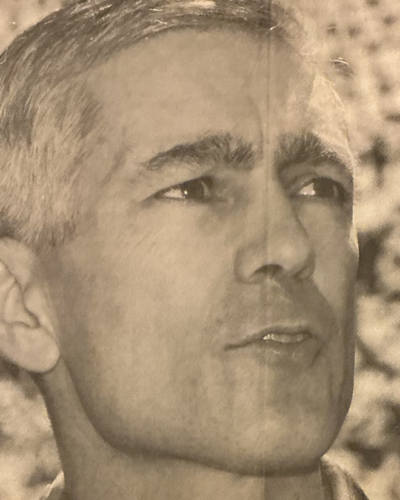
General Wesley Clark led NATO’s forces to victory in the alliance’s first combat in history — the 1999 air campaign against Serbia over Kosovo — but back home in the US he was treated like a defeated warrior and dismissed from his post of supreme allied commander in Europe.
He paid a price for bitterly clashing with the Pentagon over its unwillingness to consider sending ground troops against Serb forces. But, more significantly, Clark had opposed the entire post-cold war philosophy of the US military, which was reluctant to get involved in foreign conflicts and, if it did, it took a long-distance, low-risk approach.
Indeed, the Kosovo war was conducted from altitudes of 15,000ft and without the loss of a single NATO soldier. While Clark was proud of the victory, he saw and publicly exposed a huge gap between the pretended “combat readiness” of the most powerful military in the world and its refusal to accept the realities of war…
Continue reading about Fighting talk from a reluctant civilian
She lives in Notting Hill, he in Washington’s slightly bohemian equivalent, Adams Morgan. Their 14-month marriage has been a whirlwind of weekend rendezvous and transatlantic phone calls. The world sees them on television, sometimes even sharing a split screen, more frequently than they see each other in person.
But the prospect of their first child — due in early April — has already started to change the way they live. They have spent more time together over the past few months and, though the decision where the baby will be born is yet to be taken, they both realise that compromises will be inevitable.
For CNN’s chief international correspondent, Christiane Amanpour, and State Department spokesman James Rubin, the forthcoming member of their family has become a way to show the world that “some of us can have everything” — successful careers and a normal personal life.